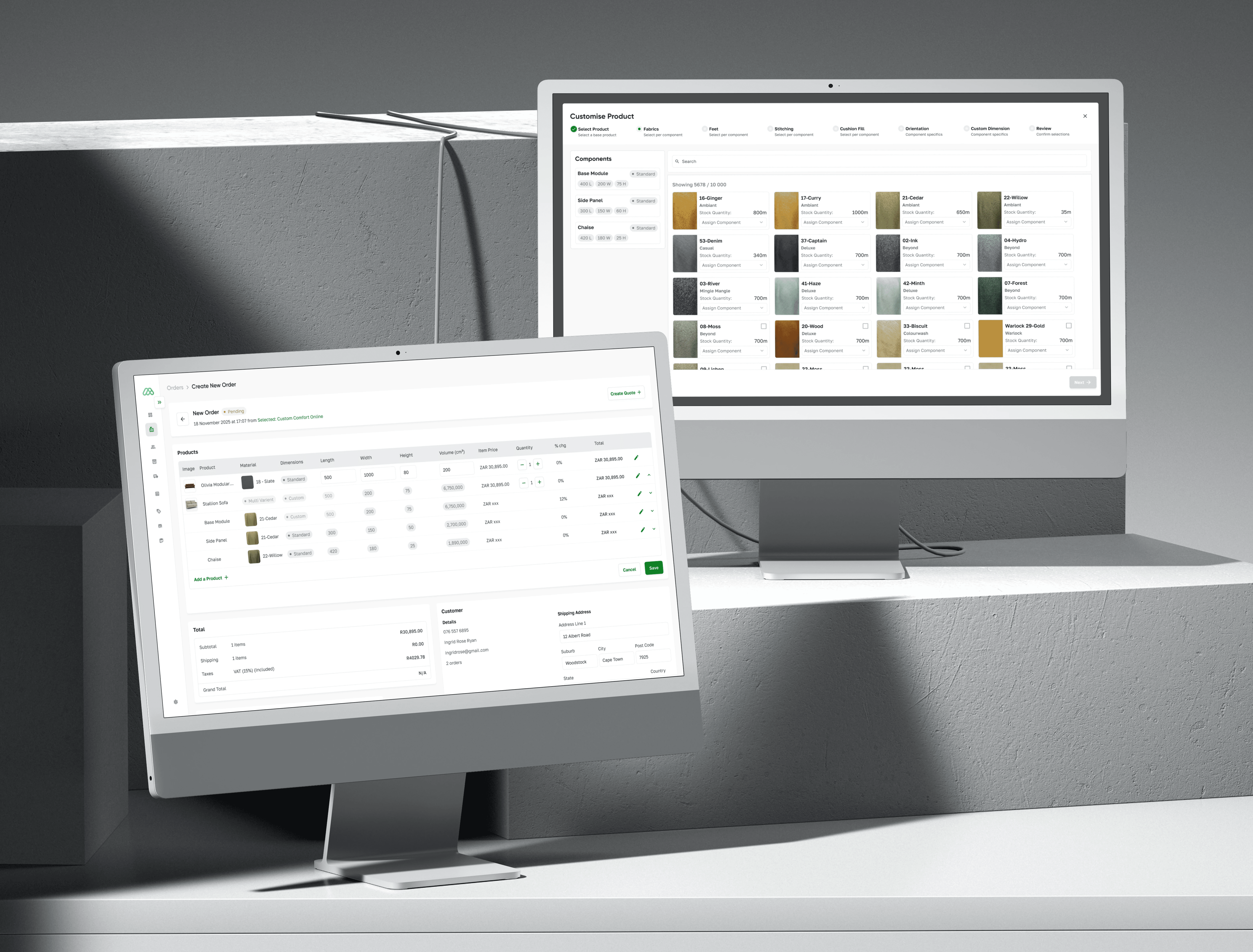
Mira ERP Console
A modern product overhaul for a legacy system, ensuring sustainable future-proofing and creating a solid foundation for the next round of Mira products to be brought to life.
Ecommerce, South Africa, Dubai - 2023 - Present
About the project
Mira is a true legacy with it’s initial conception occurring in the 1990’s. For the last 15 years, Mira has been up and running with loyal users, however it’s outdated 90’s form meant it needed a full refresh to continue pushing clients from the next generation of business titans to success and beyond.
Want to create something like Mira ERP Console ?

Challenges
The Initial Hurdles
With Mira operating for 15 years, prior to the redesign project and supported by a loyal user base, the challenge was to preserve the core functionality legacy clients relied on while designing a system that would appeal to emerging business leaders. Future-proofing and sustainable design across both existing and new users were key priorities.
Given the sensitivity around long-standing users, updates had to be delivered iteratively and in modular phases—despite the need for a complete architectural overhaul to ensure a seamless UX. Originally launched in the 1990s, before UX/UI design was a formal discipline, the product lacked a cohesive interface, requiring a fully bespoke design system to be built from the ground up. All of this was delivered within a constrained timeline of three working days per week across two quarters.

Approach
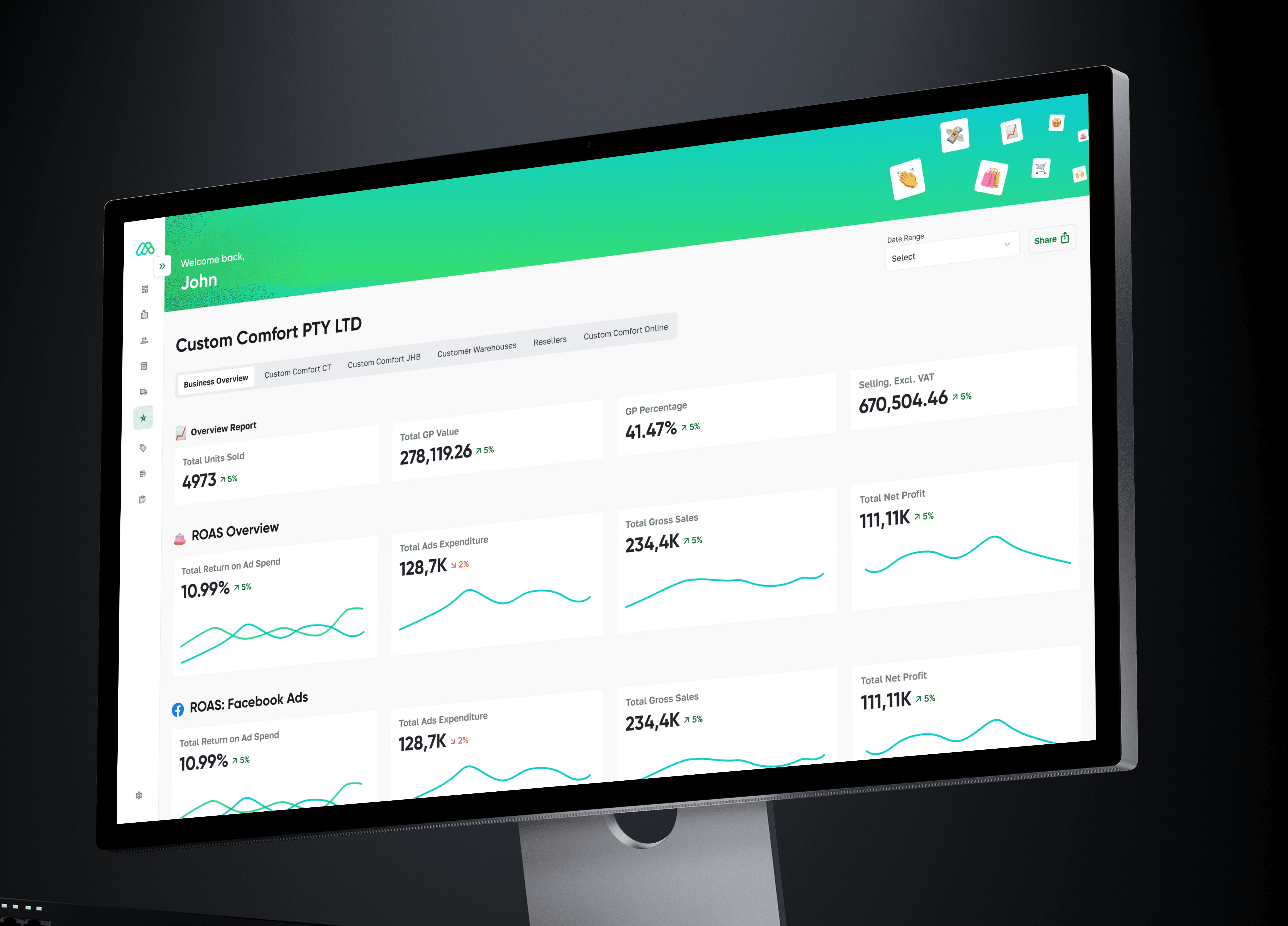
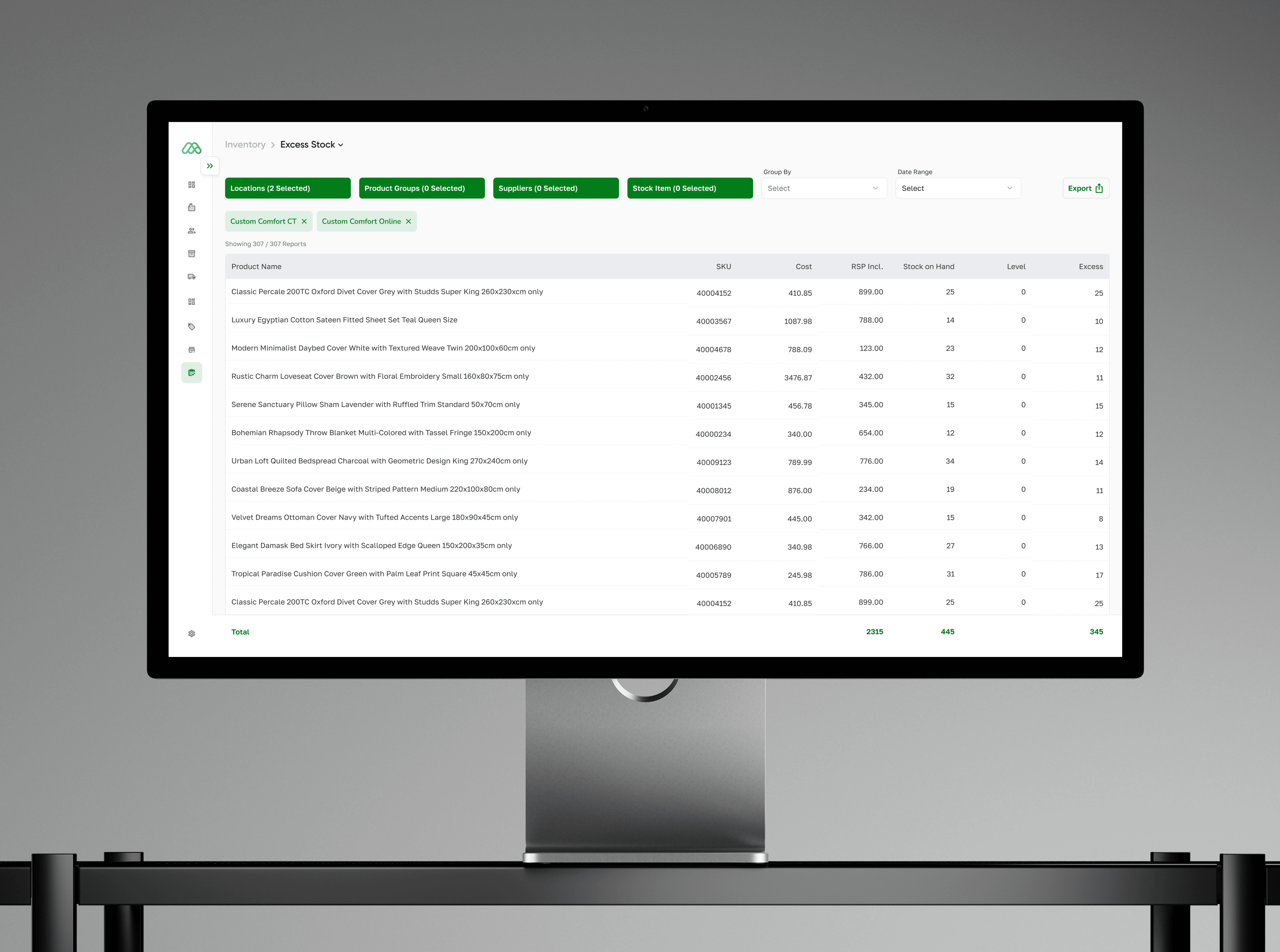
I began by touring the system with the client and conducting a thorough audit—an essential first step for understanding the project’s scope. This allowed us to quickly identify which sections needed to stay and which could be cut.
The system, originally built by a pioneering female developer and later maintained by her son, carried two generations of deep user knowledge. Collaborating with them was an incredible opportunity to tap into their expertise and intimate understanding of the product.
I approached the project as if I were their new teammate, communicating closely at every stage. The volume of work demanded an iterative approach, tackling each section in detail to maximise efficiency and precision:
Prioritised sections by complexity, saving simpler areas for last to minimize client feedback cycles.
Held detailed client sessions to review each section’s user flow, recording the sessions due to the system’s complexity and “hidden” features. Asked clarifying questions about real user behavior.
Explored the original system via a remote console, mapping the foundational user journey on paper or FigJam, adjusting where needed.
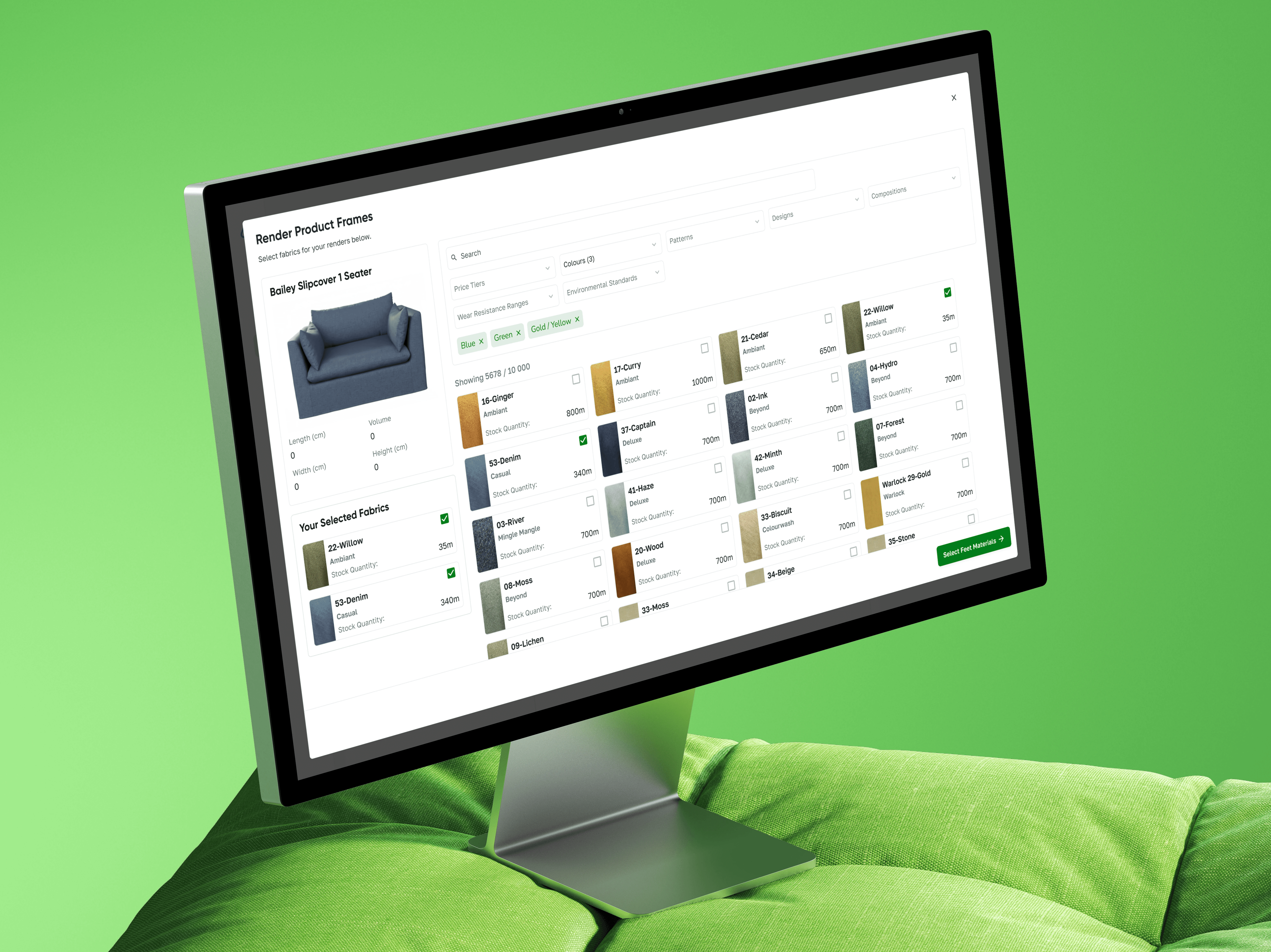
Translated findings into Figma, simultaneously building out flows and the design system components , continuously updating or creating new ones as necessary.
Reviewed flows with the client, iterating through feedback until finalised, then integrated them into the restructured architecture.
Key Takeaways
Since the launch of the redesign, Mira has gained 25 new client companies, 250+ new users to date along with expansion of Mira into 4 new countries including Australia, UAE, Romania and Poland.
Continuously called back onto the project to add new functionality as Mira scales exponentially is a continuous honour I can be proud of.


